7-Eleven v Nike Proves Intellectual Property's Margin of Error Is Getting Slimmer One Colour at a Time!
Written By

Laura Quarrell

Kiana Gashtirajaie

Insights
16 Jul
2026
00
min read
In the world of trade marks, colour is never just ‘a colour’, it is intellectual property (IP), defined with precision and scrutinised with rigour. This standard is exactly what has landed Nike in the US District Court.
7-Eleven v Nike
Recent legal proceedings were filed this month, by 7-Eleven against Nike, in the US District Court.
While the case is yet to be decided, it certainly serves as a timely reminder for Australian companies that trademark scrutiny can be razor-fine, right down to the exact shade of a product. Colour, packaging and shape aren't just design choices, if consumers or other companies link them to your brand, they can become protectable IP. That is the crux of 7-Eleven's argument against Nike.
The Orange, Green and Red Sneaker… Familiar?
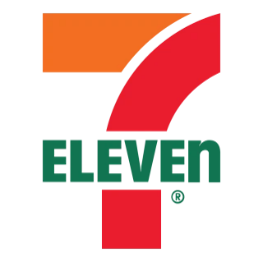
7-Eleven has used its distinctive combination of orange, green and red stripes, known as its ‘Tri-Colour Mark’, since 1987 (the Mark). The Mark is the subject of multiple incontestable US Federal trade mark registrations and is used across 83,000 stores worldwide (including Australia), as well as on branded apparel and footwear collaborations.
Nike released its Air Max 95 ‘Big Bubble’ described as ‘Sport Green and Safety Orange’ (Sneaker), scheduled for launch on 11 July 2026, a date synonymous with 7-Eleven (7/11) … a mere coincidence?
7-Eleven alleges that the Sneaker’s colour combination is a ‘confusingly similar imitation’ of its Mark, allegedly constituting deliberate and wilful infringement by Nike.
Why Precision Matters: The Pedantry of Colour Protection
Colour trademarks demand a level of specificity that borders on the obsessive. Registrants must define exact shade references, describe precisely how and where colour is applied, and demonstrate that consumers associate that particular chromatic arrangement, not just any orange or green, with a single commercial entity.
7-Eleven’s registrations describe a mark consisting of ‘a pattern of stripes in the colors orange, green, and red’, with one registration specifying that ‘the top of the “7” is orange, the bottom of the “7” is red, [and] the word “ELEVEN” is green’.
This is not loose creative direction, it is forensic-level colour taxonomy!
Under section 41 of Australia’s Trade Marks Act 1995 (Cth), the bar is equally as high: applicants must show their mark is inherently adapted to distinguish or has acquired distinctiveness through use.
Lessons for Australian Brand Owners
While the outcome of this case remains to be seen, it serves as a timely reminder for Australian companies to revisit their branding and ensure compliance with trade mark legislation.
This case nonetheless offers three practical takeaways for businesses operating in Australia:
- Define your colours with precision. If you rely on a colour combination as a brand identifier, register it with exact specifications. Vague descriptions may not survive examination or enforcement.
- Monitor adjacent industries. 7-Eleven’s grievance is not with a rival convenience store, rather, it is with a sportswear giant. Colour marks can transcend product categories, meaning infringement risks lurk in unexpected fields.
- Timing and context may strengthen claims of deliberate copying. Nike’s choice of a ‘7/11’ launch date is alleged as evidence of intent. Courts, and Australian tribunals, will consider surrounding circumstances when assessing whether similarity is coincidental or calculated.
The Bottom Line
This US dispute offers a valuable lesson closer to home. Colour trademarks are among the most powerful and most scrutinised rights in any brand’s portfolio, and the standards under Australia’s Trade Marks Act 1995 (Cth) are no less demanding. If colour forms part of your brand identity, now is the time to review your registrations, tighten your specifications, and ensure your colour marks are defined with the precision the law demands.
Proactive attention to these details today can prevent costly disputes tomorrow.
News & insights

.png)

Our people go beyond the standard
We pride ourselves on being high achievers, fostering a culture of excellence. We are driven by success. And not just for ourselves, but for our wider stakeholders and most importantly you, our client.

Our proud industry partners


